
Restoring hope
Transforming lives

Introducing dual-NMR agonism
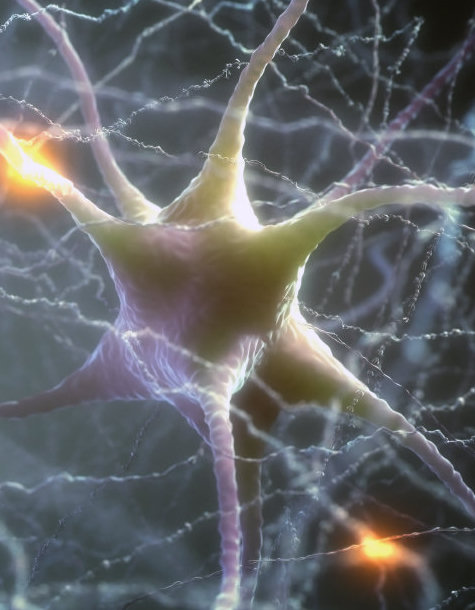
At Adneuris Therapeutics, we are advancing the science of pain management with a novel approach grounded in a deeper understanding of our body’s pain biology. By simultaneously activating both the nociceptin-opioid receptor (NOP) and the µ-opioid receptor (MOP), dual-NMR agonists are able to deliver potent pain relief while leveraging the NOP receptor’s modulatory action to reduce the adverse effects linked to preferential MOP agonism alone (as with morphine and oxycodone). This synergistic co-activation offers a more promising pathway with data demonstrating the ability to achieve strong pain relief with a safer therapeutic profile1,2 characterized by:
- Reduced abuse potential
- Reduced development of tolerance and withdrawal symptoms
- Reduced respiratory depression
Potential impact on pain
Adneuris Therapeutics is working with urgency to develop a pipeline of differentiated compounds based on ground-breaking advances in the evolution of pain biology modulation. Our lead investigational compound, cebranopadol, is the world’s first dual nociceptin/orphanin FQ peptide (NOP) receptor and µ-opioid peptide (MOP) receptor (dual-NMR) agonist with the potential to offer gold-standard efficacy with reduced risk of detrimental side effects.
In Q1 2025, the positive results of two registrational acute pain trials in patients following abdominoplasty and bunionectomy surgeries were announced. These data are foundational to discussions with regulators in anticipation of NDA submission.
Potential impact on addiction
The opioid addiction crisis is a complex problem that needs innovative solutions, including safer, more effective treatments. Based on promising early data, Adneuris Therapeutics is evaluating the potential of its investigational therapy, cebranopadol, to treat opioid use disorder (OUD), which could help change the trajectory of millions of lives affected by this disease.
Adneuris Therapeutics is on a mission to redefine the future of addiction treatment through science-driven innovation and unwavering dedication. Our approach focuses on developing groundbreaking therapies that address the root causes of substance use disorders while reducing the stigma and challenges faced by patients. By harnessing advanced research and collaborating with global experts, we strive to deliver solutions that restore hope and transform lives. Together, we can create a world where recovery is achievable, sustainable, and empowering.
References:
- Calo G, Lambert DG. Nociceptin/orphanin FQ receptor ligands and translational challenges: focus on cebranopadol as an innovative analgesic. Br J Anaesth. 2018;121(5):1105-1114.
- Ko MC, Naughton NN. Antinociceptive effects of nociceptin/orphanin FQ administered intrathecally in monkeys. J Pain. 2009;10(5):509-516.